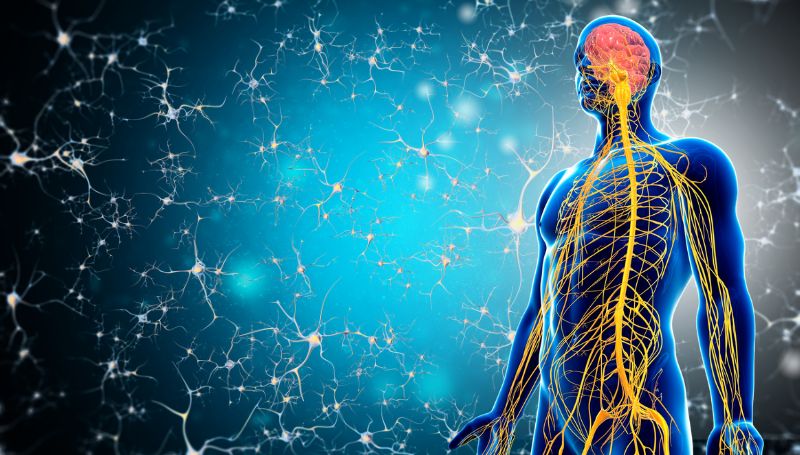
Tapping into your Vagus Nerve: 10 natural ways to lower stress and boost health
(Global Heart) Have you ever felt like you were “trapped” in a cycle of stress, anxiety, or low moods? It is a common feeling, but science suggests we might have a built-in remote control for our nervous system that can help us break free. Recent studies show that stimulating the vagus nerve can help improve our physical and mental well-being.
By understanding how this nerve works, you can start working with your body instead of feeling like it is working against you.
What exactly is the vagus nerve?
The word “vagus” comes from Latin and means “to wander”. This is a perfect description, as it is the longest nerve in your body. It starts at the brainstem and wanders all the way down, branching out to your heart, lungs, stomach, and gut.
The vagus nerve is the superstar of your parasympathetic nervous system. This is the system responsible for the “rest and digest” mode, which is the direct opposite of the “fight or flight” stress response. The activity level of this nerve is called your vagal tone.
- High vagal tone: Your body can relax faster after stress, and your organs function more efficiently.
- Low vagal tone: You might experience chronic inflammation, digestive issues, mood swings, or fatigue.
Why the vagal nerve and the vagal tone matter for your health
When your vagal tone is low, it takes much longer for your body to calm down after a stressful event. Because this nerve reaches so many organs, a “weak” signal can lead to a variety of issues, from gut problems and weight gain to brain fog and depression.
Interestingly, there is a “positive feedback loop” here. People with high vagal tone tend to experience more positive emotions and stronger social connections, which in turn strengthens the nerve even more.
What causes vagus nerve damage?
When the vagus nerve isn’t functioning at its best, it can feel like your body’s internal communication system is glitching. While the nerve is resilient, it can be weakened by several factors:
- Chronic stress: Constant “fight or flight” mode keeps the nerve suppressed, eventually leading to a loss of tone.
- Inflammation and infections: Systemic inflammation or specific infections can irritate the nerve fibres, making it harder for signals to pass through.
- Medications: The prolonged use of certain drugs can disrupt the natural signalling of the nervous system.
Signs of an underperforming vagus nerve
Because the vagus nerve helps control everything from your heart rate to your digestion, the symptoms of low vagal tone are incredibly diverse:
- Digestive issues: Problems like reflux, nausea, vomiting, abdominal pain, constipation, or diarrhea.
- Mental health: Strong links to anxiety, depression, insomnia, and memory loss.
- Physical dysregulation: Mysterious fatigue, dizziness, headaches, joint pain, or trouble regulating your body temperature.
Recognising these signs is important because it shows these issues might not be separate problems, but rather a single systemic issue with your nervous system. Luckily, you don’t have to feel powerless; there are several ways you can take action to restore balance to your nervous system.
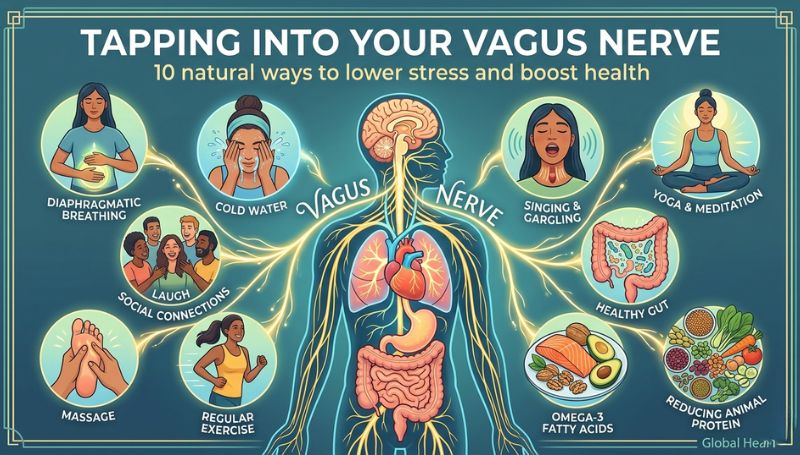
10 natural ways to stimulate your vagus nerve
You don’t need expensive medical devices to improve your vagal tone. Here are ten simple, natural ways to get started:
1. Diaphragmatic breathing
Deep, slow belly breathing is one of the fastest ways to trigger the vagus nerve. Try lying on your back with your knees bent. Place one hand on your chest and the other on your belly. Inhale so that only the hand on your belly rises. This signals your brain that it is safe to relax.
2. Cold exposure
It might sound intense, but a quick splash of ice-cold water on your face or ending your shower with 10 seconds of cold water can “wake up” the nerve and increase your parasympathetic activity.
3. Chanting, singing, or gargling
The vagus nerve is connected to your vocal cords. Humming your favourite song, gargling water in the morning, or chanting can create vibrations that stimulate the nerve. It’s a literal biological “soothing” effect.
4. Yoga and meditation
Both practices are famous for reducing the “fight or flight” response. Yoga also helps with digestion by stimulating the nerve as you move through different poses, while meditation fosters the kind of positive emotions that strengthen vagal tone.
5. Improving social connections
Laughter really is good medicine. Hanging out with friends and having a good laugh increases your heart rate variability and sends positive signals through the vagus nerve.

6. Maintaining a healthy gut
Your gut and brain are constantly talking to each other via the vagus nerve. To keep the conversation positive, try to reduce sugar and eat more fibre-rich or fermented foods like probiotic yoghurt or sauerkraut.
7. Massage
A professional massage or even a simple foot massage (reflexology) can lower your stress hormones and boost vagal activity. Gentle pressure on the side of the neck can also have a stimulating effect.
8. Regular exercise
You don’t have to be an elite athlete. Brisk walking, light weightlifting, or playing a sport you enjoy for 30 to 60 minutes a day is enough to keep the nerve active and reduce inflammation.
9. Omega-3 fatty acids
Since your body cannot produce these on its own, adding foods like salmon, walnuts, flaxseeds, and avocados to your diet is essential. These healthy fats help your nervous system function correctly and improve heart health.
10. Reducing animal protein
Some studies suggest that excessive red meat can lead to compounds that increase inflammation. By choosing plant-based proteins more often, you can lower inflammation and support a healthier vagal response.
The takeaway
The vagus nerve is a powerful, drug-free tool for improving your mood and physical health. By incorporating a few of these habits into your daily routine, you can train your body to relax more deeply and bounce back from stress more quickly.
Source: Global Heart
You may also like:
Mind over body: Scientists show how meditation physically changes your brain & DNA
Music & the brain: the fascinating ways music affects your mood and mind