
Eating for longevity: How to quiet chronic inflammation through your diet
(Global Heart) While inflammation is a natural part of the body’s healing process, its chronic, long-term form is a quiet contributor to many modern health challenges. Fortunately, what you put on your plate can be a powerful ally in managing this internal balance. By understanding how specific nutrients interact with your biology, you can transform your daily meals into a proactive strategy for lasting well-being.
Why your diet is the ultimate tool against chronic inflammation
We often think of inflammation as the swelling around a stubbed toe or the redness of a healing scratch. This “acute” inflammation is actually your body’s superhero—it rushes to the scene to fight off invaders and repair damage. However, when that internal fire never fully goes out, it becomes chronic inflammation.
Unlike a sudden injury, chronic inflammation is a slow-moving, silent force. Over years, it can erode our health, contributing to over half of all global deaths by driving conditions like heart disease, type 2 diabetes, Alzheimer’s, and various cancers.
The good news is that your fork is one of the most powerful tools you have to turn down the heat. Here is how diet influences your internal environment and the seven best foods to help you find balance.
The four pillars of anti-inflammatory eating
Before filling your grocery cart, it helps to understand why certain foods “fight” inflammation. According to nutrition experts, a food’s impact is generally measured by four criteria:
- Blood sugar stability: Foods that cause massive spikes in blood glucose—like refined flours and sugary snacks—trigger inflammatory pathways. Stable energy leads to a calmer system.
- The type of fat: While saturated fats (found in heavy dairy and red meats) are linked to higher inflammation, unsaturated fats (like omega-3s) act as natural “coolants” for the body.
- Antioxidant density: Nutrients like vitamin C, vitamin E, and polyphenols (specifically flavonoids) neutralize oxidative stress, preventing it from triggering an immune response.
- Gut health: Your microbiome is the gatekeeper of your immune system. High-fiber foods and probiotics encourage “friendly” bacteria that keep inflammation in check.

7 powerhouse foods to add to your plate
1. Turmeric (the golden spice)
Turmeric contains a potent compound called curcumin. This polyphenol is well-documented for its ability to block inflammatory enzymes. To get the benefits, incorporate a half-teaspoon to a full teaspoon of the spice into your daily cooking—think stews, smoothies, or rice. A word of caution: stick to the spice cupboard rather than the supplement aisle, as highly concentrated pills have been linked to potential liver strain.
2. Health-conscious plant oils
Swapping butter or lard for plant-derived oils is a simple win. Extra-virgin olive oil is a superstar because it is rich in polyphenols and healthy monounsaturated fats. Don’t fear seed oils like canola or flaxseed oil, either; while they are often debated online, science shows that replacing saturated animal fats with these unsaturated plant fats consistently lowers inflammatory markers.
3. Nutrient-dense nuts
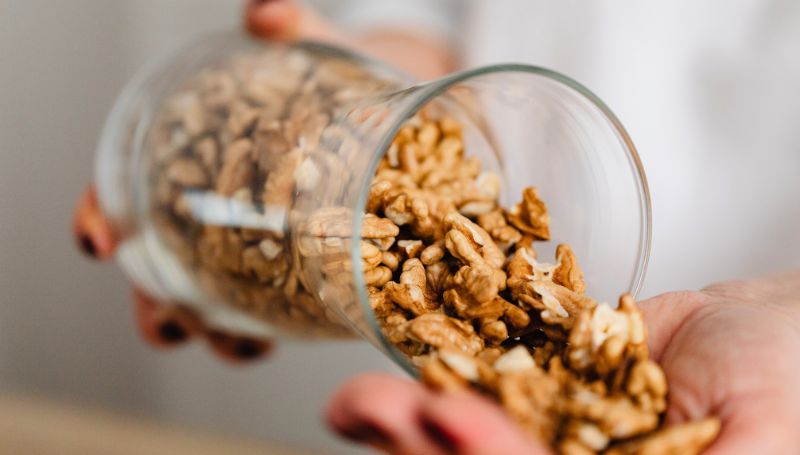
Nuts are a convenient package of fiber, minerals, and healthy fats. Walnuts are particularly notable for their high omega-3 content, while others provide essential minerals such as selenium and zinc. Try eating them raw to keep the delicate oils intact, using them as a crunchy topper for salads or morning porridge.
4. Power-packed seeds
Small but mighty, seeds like chia, hemp, and ground flax are excellent sources of alpha-linolenic acid (an omega-3). Pumpkin and sunflower seeds also provide magnesium and copper, which support a healthy immune response. Hemp hearts are especially easy to use because their mild, nutty flavor disappears into almost any meal.
5. The entire fruit rainbow
You don’t have to pick just one. All fruits offer fiber and antioxidants, though citrus fruits are especially high in anti-inflammatory flavonoids. If you are monitoring your blood sugar, opt for lower-glycemic choices like berries, apples, or pears, and pair them with a bit of protein or healthy fat (like almond butter) to prevent insulin spikes.
6. Cold-water fatty fish
Fish like salmon, mackerel, sardines, and anchovies are the premier source of long-chain omega-3 fatty acids. These fats are unique in their ability to actively resolve inflammation. You don’t need to eat them daily to see the benefits—aiming for two servings per week is generally enough to support heart and brain health.
7. Fermented staples
Your gut health and inflammation levels are inextricably linked. By eating fermented foods like kimchi, sauerkraut, kefir, or Greek yogurt, you introduce live probiotics into your system. Consuming one or two servings a day can help cultivate a microbiome that naturally suppresses systemic inflammation.
The big picture: “pattern over plate”
While adding turmeric or salmon to your diet is helpful, it isn’t a magic fix if the rest of your habits remain unchanged. Anti-inflammatory eating is about a consistent pattern, not a single “superfood.” A teaspoon of spice cannot undo a diet defined by ultra-processed foods and high stress. Focus on the cumulative effect of these choices over time, and your body will thank you for the long-term peace and quiet.
Source: Global Heart
You may also like:
13 Healthy reasons to eat more walnuts
How to control inflammation with your brain


