
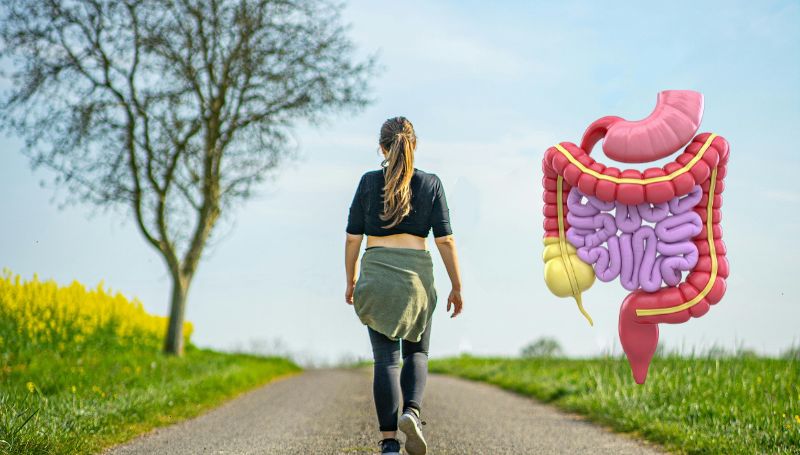
11 natural ways to improve your digestion and feel better
(Global Heart) Discover how simple lifestyle changes can transform your gut health. From mindful eating to the power of fiber, we explore 11 natural and effective ways to soothe your stomach and boost your energy from the inside out.
Why your gut health matters more than you think
Whether you’re dealing with an occasional bloated belly or more frequent trips to the bathroom than you’d like, digestive issues can really put a damper on your day. The good news? You don’t always need a complicated medical plan to feel better. Often, small and natural adjustments to your daily routine can make a world of difference.
Practical tips for a happier digestive system
When you learn how to improve digestion naturally, you aren’t just fixing a temporary problem—you are building a foundation for long-term energy and a stronger immune system. Here are 11 practical ways to give your gut the TLC it deserves.

1. Focus on real food
The best thing you can do for your digestive system is to stick to whole, unprocessed foods. Think of things in their natural state: vegetables, fruits, whole grains, and lean proteins. These foods are packed with the nutrients your gut bacteria need to thrive. On the flip side, highly processed snacks and sugary treats can cause inflammation and throw your internal ecosystem out of balance.
2. Fill up on fiber
Fiber is the ultimate “clean-up crew” for your intestines. There are two types you need:
- Insoluble fiber: Found in whole grains and veggies, this adds bulk and keeps things moving.
- Soluble fiber: Found in beans, seeds, and fruit, this absorbs water and feeds the good bacteria in your gut. By getting enough of both, you’ll find that “going” becomes much more regular.
3. Don’t fear healthy fats
While we used to be told to avoid fat, your digestion actually needs it. Healthy fats—like those in avocados, nuts, and fatty fish—help your body absorb essential vitamins (A, D, E, and K) and stimulate the production of bile, which is necessary for breaking down your meals.
4. Keep your water bottle handy
Water is the engine oil of your digestive system. It helps dissolve nutrients and ensures that fiber can do its job without causing constipation. If you’re feeling sluggish or bloated, a few extra glasses of water throughout the day might be the simplest fix.
5. Check your stress levels
Your brain and gut are constantly “talking” to each other. When you’re stressed, your body goes into survival mode, which often means shutting down non-essential functions like digestion. This can lead to cramps or a nervous stomach. Finding ways to relax isn’t just good for your mind; it’s vital for your belly too.
6. Practice mindful eating
How often do you scarf down lunch while staring at a screen? Eating mindfully—focusing on the taste, texture, and smell of your food—can actually help your body enter a “rest-and-digest” state. This triggers the production of enzymes that start breaking down food before it even hits your stomach.
7. The power of chewing
It sounds simple, but many of us forget to chew properly. Chewing is the first step of digestion. By breaking food into smaller pieces and mixing it with saliva, you’re making the rest of the journey much easier for your stomach and intestines.
8. Get your body moving
Exercise isn’t just for building muscle; it literally helps “massage” your internal organs. Physical activity increases blood flow to the gut and helps food move through the digestive tract more quickly. Even a brisk daily walk can significantly reduce symptoms like bloating or sluggishness.
9. Listen to your body’s signals
We often ignore hunger or fullness cues because we’re busy. Try to slow down and pay attention to how certain foods make you feel. If a specific habit or meal consistently makes you feel unwell, your body is trying to tell you something. If problems persist, it’s always a good idea to chat with a professional.
10. Re-evaluate certain habits
Some lifestyle choices are notoriously tough on the gut:
- Smoking: It reduces saliva and weakens the muscles that keep stomach acid where it belongs.
- Alcohol: This can irritate the stomach lining and mess with your acid production.
- Late-night snacking: Your metabolism slows down when you sleep. Eating a heavy meal right before bed means your body has to work overtime while you’re trying to rest.
11. Support your gut with extra nutrients
Sometimes, your gut needs a little extra support. Probiotics (the “good” bacteria) can help restore balance. Additionally, nutrients like zinc and the amino acid glutamine are excellent for repairing the lining of your intestines and reducing inflammation.
The bottom line
Improving your digestion doesn’t have to happen overnight. By choosing whole foods, staying hydrated, and being a bit more mindful about how you eat and move, you can significantly improve your gut health. Your body will definitely thank you for it!
***
Further reading: Deepen your gut health knowledge
If you want to explore the science behind these tips, these three international bestsellers are highly recommended. You can find them on Bol through the links below:
- “Fiber Fueled” by Dr. Will Bulsiewicz: This book is the perfect companion to our tips on whole foods and fiber. Dr. Bulsiewicz explains how a plant-based, fiber-rich diet can transform your microbiome and improve your overall health.
- “The Mind-Gut Connection” by Dr. Emeran Mayer: If you were intrigued by tip #5 regarding stress, this is a must-read. Dr. Mayer dives deep into the biological link between our minds and our digestive systems, showing how our emotions directly impact our gut health.
- “Gut: The Inside Story of Our Body’s Most Underrated Organ” by Giulia Enders: Written with humor and charm, this book makes the complex science of digestion easy to understand. It’s a great entry point for anyone wanting to learn how their body works without the heavy medical jargon.
Source: Global Heart
You may also like:
Struggling to stay regular? Here are 3 science-backed secrets for better digestion


