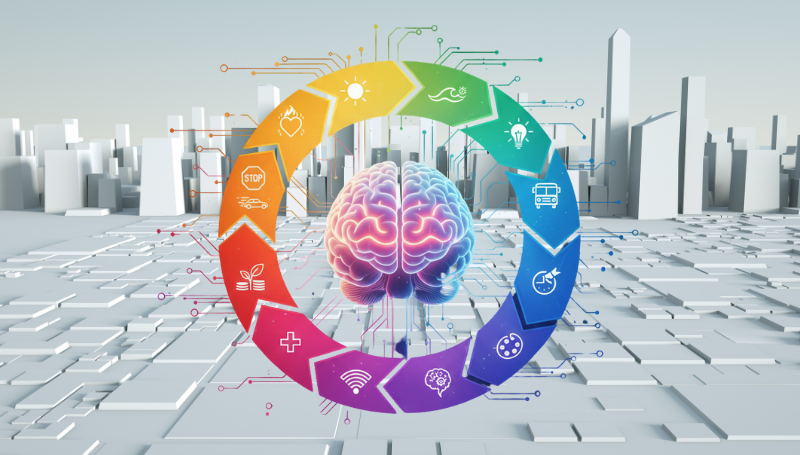
Beyond the eye: Mastering the hidden power of color psychology
(Global Heart) Master the silent language of color. From home decor to your wardrobe, find out how to use color psychology to boost your focus, energy, and mental well-being.
Color psychology: How colors influence your choices and emotions
Have you ever stopped to wonder why a walk through a lush forest feels instantly grounding, or why a bright “Sale” sign almost always uses a bold red? It isn’t just about aesthetics. We are constantly immersed in a silent conversation with the colors around us. This is the essence of color psychology. The study of how different wavelengths of light spark specific neurological responses and shape our daily choices.
By learning to speak this visual language, you can transform your environment from a random collection of items into a purposeful sanctuary that supports your goals and well-being.
The science of feeling: Why colors matter
Our connection to color is deeply rooted in our DNA. For thousands of years, humans relied on color cues for survival—identifying safe water (blue), fertile land (green), or potential danger (red).
Today, while we are no longer foraging in the wild, our brains still react with the same intensity. Marketers and designers use this to their advantage:
- The “buying” brain: Why do banks use blue? To signal stability and trust.
- The “hungry” brain: Why do fast-food chains use yellow and red? To stimulate appetite and create a sense of speed.

A spectrum of influence: How colors affect your mood
Every color in the rainbow carries its own unique “energy signature.” Instead of viewing them as mere decorations, think of these shades as emotional tools you can use to fine-tune your environment:
1. Red: The color of energy and passion
Red is perhaps the most physically stimulating color in the entire spectrum. Because it has the longest wavelength, it is the first color our eyes process, making it an unrivaled tool for grabbing immediate attention. This is exactly why it is the global standard for stop signs, emergency vehicles, and “clearance sale” banners—it demands an instant reaction.
Beyond just catching the eye, red has a profound effect on our biology and behavior:
- Physical stimulation: Looking at red can actually trigger a physiological response, such as a slight increase in blood pressure, respiratory rate, and heart rate. This makes it the color of passion, excitement, and movement, which is why you’ll frequently see it on sports uniforms and high-performance cars.
- The hunger trigger: Interestingly, red is a powerful metabolic stimulant. It is known to increase appetite, which is why it’s a strategic favorite for restaurant branding and food packaging. When paired with yellow, it creates a “fast-paced” dining urge often utilized by major food chains.
- The double-edged sword: While red is excellent for boosting energy and confidence, it requires balance. Because it is so intense, an environment with too much red can shift from “energizing” to “overwhelming,” potentially leading to feelings of agitation, aggression, or visual fatigue.
Blue: The color of trust and calm
Blue is the world’s most popular favorite color, and for good reason. It represents a psychological sense of security and order. While red stimulates the body, blue stimulates the mind.
- Reliability and branding: Blue is the “corporate” color because it radiates stability and wisdom. This is why banks, tech giants, and law firms use it—to convince you that your money and data are in safe hands.
- Productivity and calm: Research shows that people are more productive in blue rooms. It lowers body temperature and slows the pulse, making it ideal for offices and bedrooms.
- The appetite suppressant: Unlike red, blue is rarely found in natural food sources. Because of this, it actually acts as an appetite suppressant. If you are trying to be more mindful of your portions, eating off a blue plate can help!
- The downside: Too much blue, especially in cold shades, can eventually feel “chilly” or emotionally distant, sometimes leading to feelings of sadness—hence the phrase “feeling blue.”
Yellow: The color of happiness and optimism
Yellow is the brightest color in the visible spectrum and is the easiest for the human eye to see in daylight. It is the ultimate symbol of the sun and hope.
- Mental clarity: Yellow stimulates the left side of the brain, which handles logic and analytical thinking. It helps with memory and decision-making, making it a great accent for a study nook.
- High visibility: Because it stands out so sharply, it is used for school buses, life vests, and warning signs. It grabs your attention without the “danger” signal of red.
- The happiness chemical: Yellow encourages the release of serotonin. Using it in kitchens or dark hallways can instantly “light up” the mood of a home.
- The downside: Yellow is the most fatiguing color for the eye. In high doses, it can lead to frustration. Interestingly, studies have shown that babies tend to cry more in bright yellow rooms, and adults may lose their tempers more easily.
Green: The color of balance and nature
Sitting right in the middle of the color spectrum, green is the color of equilibrium. It requires no adjustment for the eye to see, which is why it is so inherently restful.
- The healing power: Green is synonymous with nature and health. Hospitals often use green because it is believed to speed up the healing process and reduce patient anxiety.
- Fertility and growth: It signals “go” and “life.” In a professional sense, it is also the color of wealth and finance (especially in the US), representing prosperity and stability.
- Eco-conscious branding: Any brand that wants to appear ethical, organic, or sustainable will lean heavily on green to prove their “green” credentials.
- The downside: On the flip side, certain muddy shades of green can be associated with sickness or envy (the “green-eyed monster”).
Purple: The color of luxury and mystery
Purple is a unique blend of the energy of red and the stability of blue. It is a rare color in nature, which gives it a sense of being “special” or “exotic.”
- Luxury and royalty: For centuries, purple dye was the most expensive to produce, making it the exclusive color of emperors and kings. Today, it still carries a “premium” feel used by high-end beauty and chocolate brands.
- The spiritual connection: Purple is often linked to the subconscious, mystery, and the “third eye.” It is used by meditation apps and creative studios to encourage deep, out-of-the-box thinking.
- Encouraging imagination: It’s a great color for children’s playrooms or teenage bedrooms, as it supports a sense of magic and dream-like wonder.
- The downside: Because it is so heavy and “rich,” using too much dark purple can make a space feel gloomy or overly dramatic if not balanced with light.
Designing your mood: Practical tips
You can start using color psychology today without a total lifestyle overhaul. It’s all about intentionality:
- The “power” wardrobe: If you’re heading into a high-pressure meeting, try wearing green to remain composed, or a splash of red to project confidence and leadership.
- Digital detox: Our screens are often filled with high-energy blue light. Switching your devices to “night shift” (warmer, orange tones) in the evening signals to your brain that it’s time to produce melatonin and rest.
- Micro-dosing color: If a room feels “flat,” you don’t need to paint the walls. A yellow pillow, a blue vase, or a green plant can be enough to shift the emotional frequency of the entire space.
The takeaway
Color is more than just a visual experience; it is an emotional tool. When you become aware of how colors affect you, you gain the power to influence your own mood and productivity. The world is your canvas—choose your palette with purpose!
Source: Global Heart
You may also like: