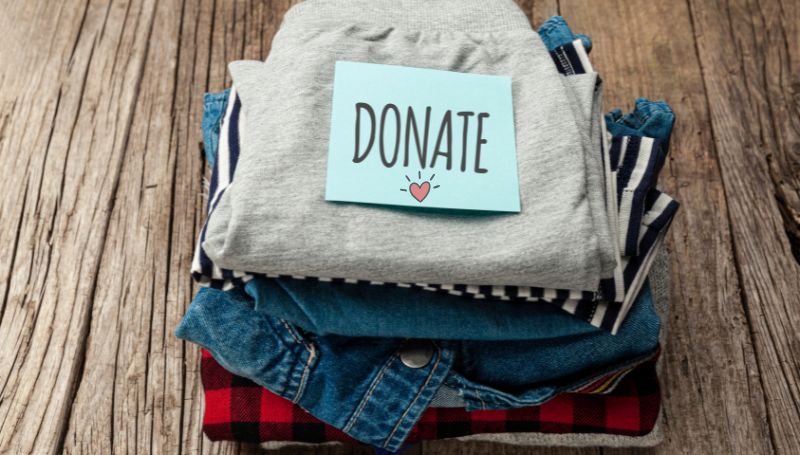
Too worn to donate? Here is how to give your old clothes a second life
(Global Heart) You don’t have to throw away clothes that are stained, worn-out, or out of style. Discover how to give them a second life through upcycling, recycling, or conscious disposal.
What to do with clothes that can’t be donated
We all know the familiar routine of sorting through our closets, stacking up the garments that no longer serve us, and packing them into bags for the local donation center. It feels like a win for sustainability. But what happens to the items that are just a little too lived-in? The undergarments that have lost their stretch, the favorite t-shirt now mapped with stubborn oil stains, or the jeans worn thin at the thighs?
Why some clothes can’t be donated
The reality is a bit of a sobering experience. The majority of donation centers resell the donated items to make a profit or give them away to people in need. They are not recycling centers. So when we donate torn or heavily stained clothing, we often unintentionally shift our waste problem onto organizations that lack the resources to process it. According to the Environmental Protection Agency, discarded clothing remains the heaviest contributor to textile waste in our municipal landfills.
It is a frustrating bottleneck in our collective effort to live more consciously. Yet, an imperfect garment is far from useless. Before you relegate those unwearable pieces to the trash bin, consider a few thoughtful alternatives that honor the resources already woven into them.
Recycling programs
When a garment is truly beyond saving, textile recycling infrastructure bridges the gap between our closets and a circular economy. These specialized programs take fabrics that are far past their prime and mechanically or chemically break them down into raw fibers. Your old favorite sweater might find new life as industrial wiping cloths, car seat stuffing, or home insulation.
Finding these programs requires a little bit of detective work, but the options are expanding. Many local municipalities host dedicated textile drop-off bins or specific collection days. Beyond local government, the retail landscape is shifting; brands like Patagonia and REI run established take-back initiatives for outdoor gear, while select Nike locations accept worn-out sneakers. High-street retailers like H&M accept textiles from any brand in any condition, and specialized initiatives like Smartwool’s Second Cut project even take old socks to repurpose them into dog beds.
If your local options are sparse, mail-in services like Trashie or Retold Recycling offer a convenient alternative, providing designated bags that you can fill and send off for a small fee. Even your local animal shelter is often looking for clean, old towels and sheets to keep rescued animals comfortable.
Upcycle
If you prefer a direct, hands-on solution, look no further than your own cleaning closet. Long before modern recycling plants existed, communities practiced the art of resourcefulness. In Japan, the tradition of zokin—stitching simple, reusable cleaning cloths from old, worn-out household fabrics—exemplifies this mindset perfectly.
You can easily replicate this at home. Old cotton t-shirts, flannel shirts, and threadbare towels make exceptional cleaning rags, dusting cloths, or custom pads for your spray mop. Sturdier materials like denim or heavy canvas can migrate to the garage or workshop to handle grease, oil, and paint projects. Natural fibers like cotton and linen are the champions here because of their high absorbency. Synthetic blends might not absorb liquids quite as well, but they still excel as dry dusting cloths for electronics or rough surfaces.
Repair
Sometimes, a piece of clothing isn’t actually ready to be retired; it just needs a little bit of care. Repairing what we already own is one of the most radical acts of sustainability available to us. It halts the demand for new production right at the source, saving water, energy, and raw materials.
Replacing a missing button, patching a small hole, or sliding a new pull onto a broken zipper takes remarkably little time once you try it. If a garment has an unsightly stain or has faded unevenly, a quick soak in fabric dye can completely refresh its appearance. For those who want to embrace the history of their clothes, there are beautiful traditions like sashiko—a Japanese visible mending technique that uses contrasting thread to turn structural repairs into geometric art. Why hide a tear when you can celebrate the story of how much you loved wearing it?
When throwing away is the only option
Despite our best intentions, there are moments when disposal is simply the responsible choice. If a garment has been contaminated with hazardous chemicals, deep-seated mold, or toxic substances, it cannot safely be handled by recyclers or upcycled into household rags. In these rare instances, the trash bin is a necessary safety measure rather than a failure.
Sustaining a healthier planet is not about achieving absolute perfection overnight. It is about shifting how we view the lifecycle of the things we hold in our hands. By taking just an extra moment to evaluate that old, unwearable shirt, we choose to treat our planet’s resources with the respect they deserve. What is one item in your closet right now that could be rescued from the bin and given a creative second chapter?
Source: Global Heart
You may also like:
The art of letting go: How minimalism brings more to your life
De toekomst van mode is eetbaar (nou ja, bijna): zelfhelend leer van schimmels