
Chinese vs Western zodiac: a cosmic comparison
(Global Heart) Whether you are checking your morning horoscope or celebrating the lunar new year, zodiac systems offer a fascinating way to look at who we are and where we are going. While both the Chinese and Western systems use twelve symbols to categorise personality and destiny, they are built on entirely different foundations.
Here is a look at how these two ancient traditions compare, from their cosmic origins to their modern-day uses.
The lunar cycle: The Chinese zodiac
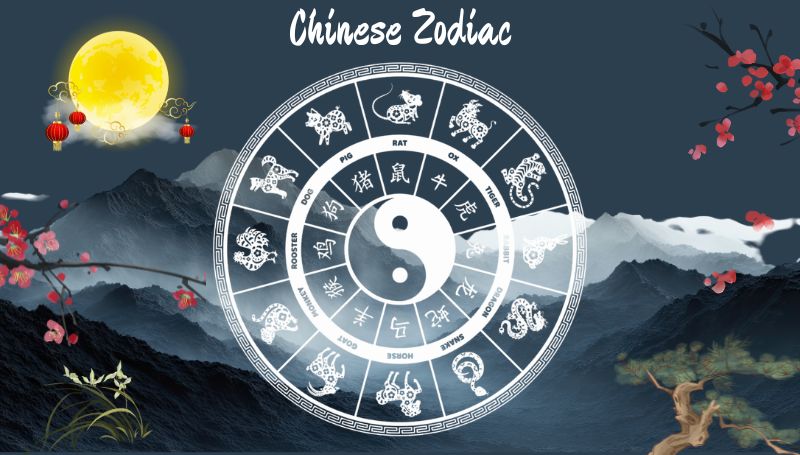
The Chinese zodiac is based on a twelve-year cycle, with each year represented by a specific animal. According to legend, these animals earned their place in the stars by participating in a great race organised by the jade emperor. The order—starting with the rat and ending with the pig—reflects their finishing positions in that race.
In this system, your “sign” depends on the year you were born. For example, 2026 is the year of the horse. People born under this sign are often seen as energetic, independent, and animated, whereas someone born in a year of the snake might be viewed as wise and intuitive.
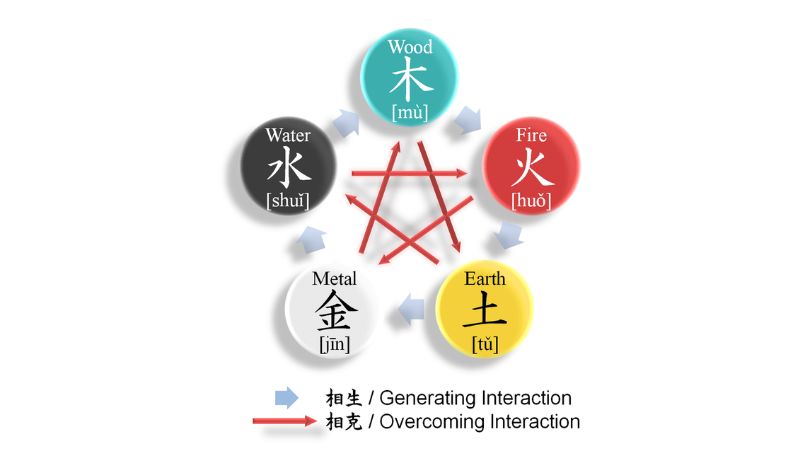
The system is further layered with the five elements (wood, fire, earth, metal, and water) and the concept of yin and yang. This means that not every horse is the same; because 2026 is specifically a fire horse year, these individuals will have a much more passionate and bold energy than a “wood horse” or a “metal horse”.
The animals and their recent years:
- Rat: (1960, 1972, 1984, 1996, 2008, 2020) — Intelligent, adaptable, and quick-witted.
- Ox: (1961, 1973, 1985, 1997, 2009, 2021) — Reliable, strong, and determined.
- Tiger: (1962, 1974, 1986, 1998, 2010, 2022) — Brave, confident, and competitive.
- Rabbit: (1963, 1975, 1987, 1999, 2011, 2023) — Gentle, compassionate, and tactful.
- Dragon: (1964, 1976, 1988, 2000, 2012, 2024) — Charismatic, lucky, and powerful.
- Snake: (1965, 1977, 1989, 2001, 2013, 2025) — Wise, mysterious, and intuitive.
- Horse: (2026, 2014, 2002, 1990, 1978, 1966) — Energetic, independent, and impatient.
- Goat: (1967, 1979, 1991, 2003, 2015, 2027) — Peaceful, empathetic, and creative.
- Monkey: (1968, 1980, 1992, 2004, 2016, 2028) — Clever, curious, and playful.
- Rooster: (1969, 1981, 1993, 2005, 2017, 2029) — Observant, hardworking, and courageous.
- Dog: (1970, 1982, 1994, 2006, 2018, 2030) — Loyal, honest, and trustworthy.
- Pig: (1971, 1983, 1995, 2007, 2019, 2031) — Compassionate, generous, and diligent.
The solar path: The western zodiac
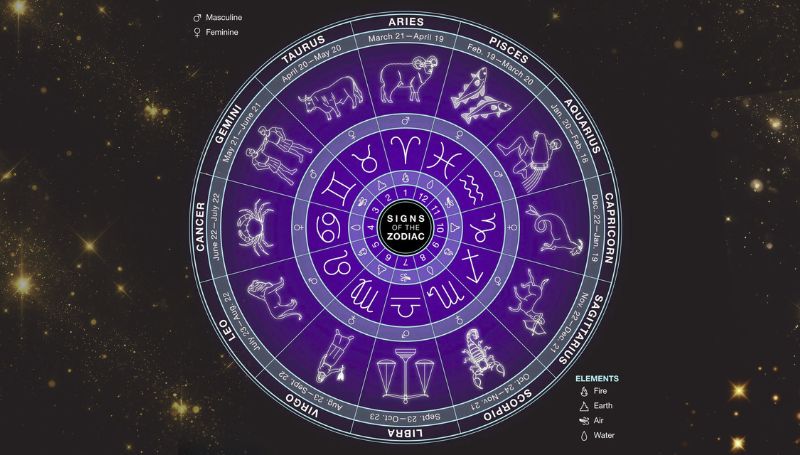
In contrast, the Western zodiac follows the sun’s path throughout a single year. It is divided into twelve months, each linked to a specific constellation. Because it follows the solar calendar, your sign is determined by your specific birthday rather than your birth year.
This system is rooted in Greco-Roman mythology and focuses on four elements: fire, earth, air, and water. While the Chinese system looks at cycles of time, Western astrology focuses heavily on the alignment of planets at the exact moment of your birth. This is why many people look at their “natal chart” to get a deeper understanding of their character.
The twelve signs and their traits:
- Aries: (Mar 21 – Apr 19) — Energetic, courageous, and independent.
- Taurus: (Apr 20 – May 20) — Reliable, practical, and sensual.
- Gemini: (May 21 – Jun 20) — Intellectual, adaptable, and communicative.
- Cancer: (Jun 21 – Jul 22) — Emotional, intuitive, and nurturing.
- Leo: (Jul 23 – Aug 22) — Confident, generous, and charismatic.
- Virgo: (Aug 23 – Sep 22) — Analytical, meticulous, and modest.
- Libra: (Sep 23 – Oct 22) — Diplomatic, fair, and sociable.
- Scorpio: (Oct 23 – Nov 21) — Passionate, resourceful, and observant.
- Sagittarius: (Nov 22 – Dec 21) — Adventurous, optimistic, and philosophical.
- Capricorn: (Dec 22 – Jan 19) — Disciplined, responsible, and ambitious.
- Aquarius: (Jan 20 – Feb 18) — Innovative, independent, and humanitarian.
- Pisces: (Feb 19 – Mar 20) — Compassionate, artistic, and intuitive.
How charts are made
The way these two systems calculate your “cosmic blueprint” is quite different. They don’t just look at a single animal or sign; they use complex methodologies to build a full profile.
The four pillars (bazi)
In Chinese astrology, experts use a method called bazi, or the “four pillars of destiny“. This goes far beyond just your birth year. It looks at the year, month, day, and even the exact hour you were born. Each of these four pillars is assigned an animal and an element, creating a very detailed map of your health, personality, and potential fortune.

The natal chart
Western astrology relies on a “natal chart“, which is essentially a snapshot of the sky at the moment you took your first breath. It maps out where the sun, moon, and all the planets were positioned. By looking at how these planets sit in different “houses” and how they align with each other, an astrologer can get a comprehensive view of your inner challenges and life path.
Different philosophies, different tools
The way these systems are used in daily life also varies. In Chinese culture, the zodiac is deeply intertwined with feng shui and traditional fortune-telling. It is common for people to consult the zodiac to find the best time for a wedding, a business move, or even to see if a potential partner’s animal sign is compatible with theirs.
Western astrology is widely known for horoscopes found in magazines and apps. Many people use it as a tool for self-reflection or to navigate their emotional lives and relationships. While some see it as a bit of fun, others use complex planetary readings to plan their careers or personal growth.
Both systems, though different in their mechanics, show our universal desire to find patterns in the stars. Whether you are a brave Tiger or a disciplined Capricorn, these traditions provide a unique lens through which we can view our personalities and our connections to the world around us.
Source: Global Heart
You may also like:
The year of the Fire Horse 2026: How to embrace the double fire energy