Bee propolis: the “sticky secret” behind a healthy hive
(Global Heart) Most of us think of bees as the makers of golden honey or the architects of perfect beeswax. But there is another substance they produce that is just as impressive, even if it is a bit stickier: bee propolis.
Often nicknamed “bee glue,” propolis is essentially the hive’s personal immune system. It’s a fascinating example of how bees use nature’s own pharmacy to keep their families safe.
What is bee propolis?
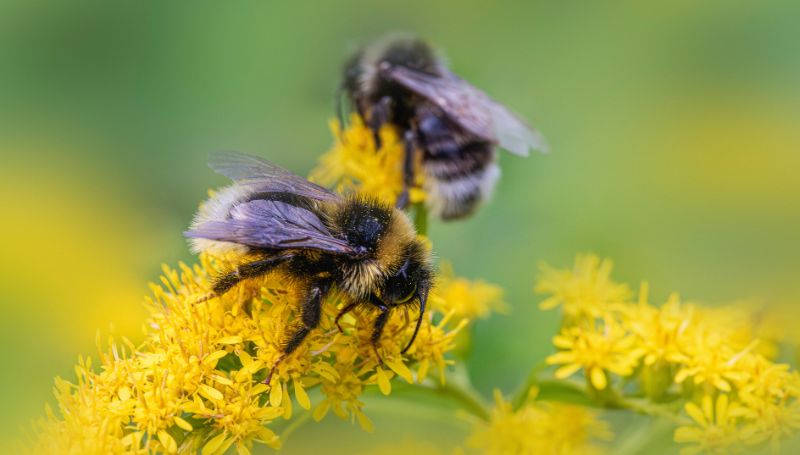
Imagine a tiny bee landing on a poplar tree or a pine bud. She’s looking for resin—that sticky sap trees use to protect their young leaves from infection. She bites off a chunk, packs it into the “baskets” on her legs, and heads home.
Once back at the colony, her sisters help her unload. They mix that resin with wax, essential oils, and their own enzymes to create propolis. The bees use this mixture as a sort of “all-in-one” home repair kit:
- Patching up holes: It’s the ultimate waterproof sealant for the hive.
- Sanitising the entrance: It acts like a disinfecting doormat for every bee coming inside.
- Keeping things sterile: Because 30,000 bees living in a small space could easily get sick, they coat the walls in propolis to create a germ-free environment.
A remedy as old as time
We aren’t the first ones to notice how powerful this stuff is. Ancient Egyptians used it in their rituals, and the Greeks—including the famous physician Hippocrates—used it to treat wounds and skin ulcers. Even in ancient texts, you’ll find mentions of the “Balm of Gilead,” a resin-based medicine that is remarkably similar to the propolis we know today.

Bee propolis benefits
Think of propolis as nature’s ultimate “multitool.” Because bees gather ingredients from so many different trees and plants, the end result is packed with over 300 active compounds—including things like flavonoids and polyphenols. In plain English? It’s a concentrated hit of plant power that works with your body in some pretty cool ways.
- Your natural shield against germs. Propolis is a heavy hitter when it comes to fighting off the “bad guys.” It has strong antibacterial and antifungal properties, making it a go-to for oral health. If you’re dealing with swollen gums or just want to keep your mouth feeling fresh, it’s great at tackling those pesky mouth bacteria. It even has antiviral leanings, which is why people swear by it to help keep cold sores or the flu from taking hold.
- The ultimate “soother” for aches and scrapes. If you’ve got a scratchy throat or a minor skin scrape, propolis acts like a liquid bandage. It’s a natural anti-inflammatory, meaning it helps calm down redness and swelling. It doesn’t just protect the area, though—it actually encourages your tissues to repair themselves faster. That’s why you’ll often spot it as the star ingredient in throat sprays and healing ointments.
- Cellular protection (and a bit of love for your liver). We’ve all heard of antioxidants, and propolis is loaded with them. These compounds act like a cleanup crew for your cells, protecting them from the “rust” (free radicals) caused by stress and pollution. Some research even suggests it has “hepatoprotective” qualities—which is just a fancy way of saying it helps shield your liver from toxins and damage. It’s basically a little extra insurance for your internal health.
How to find and use it
If you know a local beekeeper, that’s your best bet! They often harvest propolis by scraping it off the wooden frames of the hive. If not, your local health food store likely stocks it.
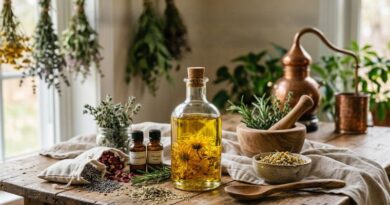
The most common way to use it is as a tincture (propolis dissolved in alcohol). You can add a few drops to your tea, use it as a mouthwash, or dab it directly onto a scrape.
Just a heads-up
As amazing as it is, propolis isn’t for everyone. If you’re allergic to bee stings or pollen, you should definitely give it a miss. Also, because it can slightly thin the blood, it’s best to avoid it if you’re on blood-thinning medication or heading into surgery soon.
It’s pretty incredible when you think about it—bees take a tree’s natural defense system and turn it into a powerhouse of health for the whole hive. And luckily for us, we can benefit from it too!
Source: Global Heart
You may also like: